CSN Publications
 This page displays all Children’s Safety Network (CSN) publications sorted by date released. Please feel free to download and share through Facebook, X, Pinterest, or email.

Released Date:
A traumatic brain injury (TBI) can be mild, moderate or severe. It is defined as a disruption in the normal functioning of the brain due to a bump, blow, or jolt to the head or a penetrating head injury.1 It is a major cause of morbidity and mortality in the U.S. that can have life-long financial,…
Read More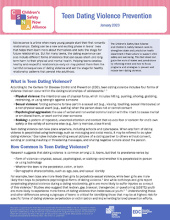
Released Date:
Adolescence is a time when many young people start their first romantic relationships. Dating can be a new and exciting phase in teens’ lives that helps them learn more about themselves and sets the stage for future relationships. But for many teens, the dating experience can also include different…
Read More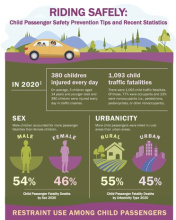

Released Date:
Among children and adolescents ages 0 – 19 years, most pedestrian deaths occur among males, in non-metro areas, at non-intersection locations and at night.1,2 American Indian/Alaska Native and Black children ages 0 – 19 years are at higher risk for pedestrian death and injury than other racial…
Read More
Released Date:
Injuries and violence are among the most serious social, economic, medical, and public health issues. Injuries and violence are a leading killer among all ages, and the number one killer among kids, teens, and adults ages 1-44.1 Injuries and violence affect all of us including the families left…
Read More
Released Date:
When a disaster, disease outbreak, or other crisis occurs, overwhelming a community’s capacity to respond, child safety efforts often need to adapt in order to be sustained. These disruptions can increase the risk for child injury and illness, while also creating serious challenges for…
Read More
Released Date:
All Children are Pedestrians! Prevention Tips and Recent Statistics Approximately 600 children and adolescents die from pedestrian injuries each year. More than 3 in 4 pedestrian injuries in children and adolescents are related to motor vehicle traffic. Age Compared to children ages 5-9 or 10-14:…
Read More
Released Date:
In 2019, 4,356 people were killed in crashes involving young drivers (aged 15 - 20). Of these fatalities, 1,603 were young drivers.1 Teenagers contribute to, and suffer from, the consequences of motor vehicle collisions at a disproportionate rate. Teen drivers ages 16 - 19 are nearly three times as…
Read More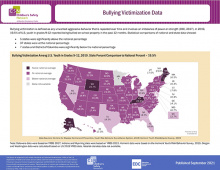
Released Date:
The Child Safety Learning Collaborative addresses the leading causes of child and adolescent injuries, fatalities and hospitalizations for youth ages 0-19. This data map provides statistical comparisons of national and state rates for Bullying Victimization. Download the PDF of the Publication
Read More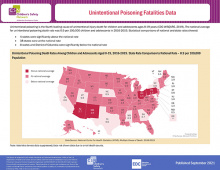
Released Date:
The Child Safety Learning Collaborative addresses the leading causes of child and adolescent injuries, fatalities and hospitalizations for youth ages 0-19. This data map provides statistical comparisons of national and state rates for Unintentional Poisoning Fatalities.Download the PDF of the…
Read More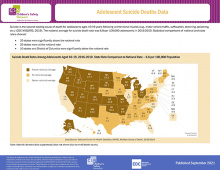
Released Date:
The Child Safety Learning Collaborative addresses the leading causes of child and adolescent injuries, fatalities and hospitalizations for youth ages 0-19. This data map provides statistical comparisons of national and state rates for Adolescent Suicide Deaths.Download the PDF of the Publication
Read More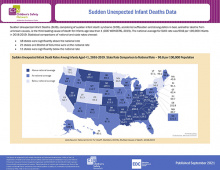
Released Date:
The Child Safety Learning Collaborative addresses the leading causes of child and adolescent injuries, fatalities and hospitalizations for youth ages 0-19. This data map provides statistical comparisons of national and state rates for Sudden Unexpected Infant Deaths.Download the PDF of the…
Read More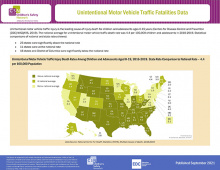
Released Date:
The Child Safety Learning Collaborative addresses the leading causes of child and adolescent injuries, fatalities and hospitalizations for youth ages 0-19. This data map provides statistical comparisons of national and state rates for Unintentional Motor Vehicle Traffic Fatalities.Download the PDF…
Read More
Released Date:
On average, over 3,000 U.S. children and adolescents die each year from a firearm injury. Approximately nine children and adolescents ages 0 to 19 die by firearm injury each day in the United States, with about five of those deaths being homicide-related and three being suicide-related. In the…
Read More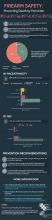
Released Date:
FIREARM SAFETY: Preventing Death by Homicide Firearm homicide is the second leading cause of injury death for children and adolescents ages 0-19. * Approximately nine children and adolescents ages 0 to 19 die by firearm injury each day in the U.S., and about five of those deaths are homicide…
Read More
Released Date:
FIREARM SAFETY: Preventing Death by Suicide Firearm suicides are the fourth leading cause of injury death for children ages (10-19).* Approximately nine children and adolescents ages 10 to 19 die by firearm injury each day in the U.S., and about three of those deaths are suicide-related…
Read More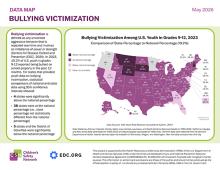
Released Date:
The Child Safety Learning Collaborative addresses the leading causes of child and adolescent injuries, fatalities and hospitalizations for youth ages 0-19. This data map provides statistical comparisons of national and state rates for Bullying Victimization (2023), Sudden Unexpected Infant…
Read More
Released Date:
The Planner is for use at the departmental and/or programmatic/work unit level to assess integration of integrative approaches in child safety initiatives. The Planner may be used as a stand-alone tool or with the CSN Framework for Quality Improvement and Innovation in Child Safety: A Guide to…
Read More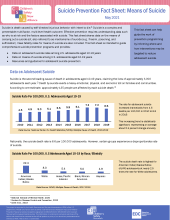
Released Date:
Suicide is a complex and preventable multi-factor, multi-level health outcome. Effective prevention requires understanding data such as who is at risk and the factors associated with suicide. This fact sheet shares data on the means of carrying out a suicide act, also referred to as mechanisms of…
Read More
Released Date:
Numbers Drowning is the leading cause of unintentional injury deaths for children ages 1-4. For children and adolescents ages 5-19, drowning is the third leading cause of unintentional injury deaths. Every year in the U.S., approximately 3,700 people die from unintentional drowning. Nearly 900 of…
Read More